Mammography Screening With Artificial Intelligence
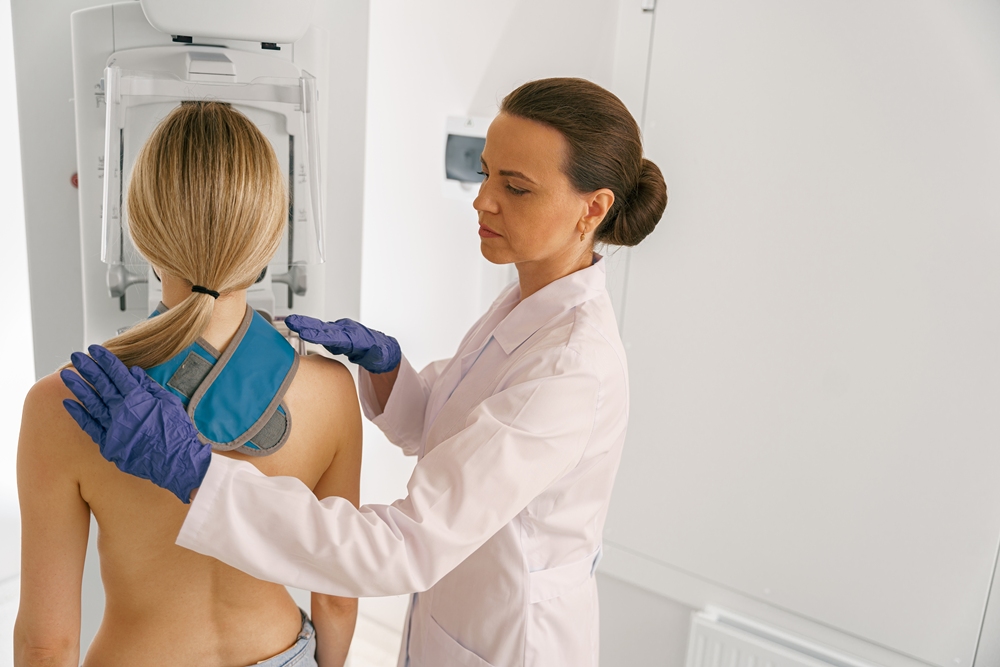
New evidence from the MASAI trial shows how mammography screening with artificial intelligence helps doctors check for breast cancer. The findings highlight key facts about how these tools work in health care today. Experts are also looking at current gaps in device regulation for this technology.
What is mammography screening with artificial intelligence?
Mammography screening uses special X-ray images to look for early signs of cancer in human body tissue. When clinics add smart computer programs to this process, the technology helps read the images alongside real doctors. You can read more about how artificial intelligence works across different fields today.
The MASAI trial stands for Mammography Screening With Artificial Intelligence. This major clinical effort tests how well smart tools find health issues compared to standard methods. It gives scientists real data on whether computer tools make health checks safer and more reliable for patients.
Why device regulation matters for AI tools
Even when computer programs show strong results in testing, rules must keep patients safe. Medical rules ensure that every tool works correctly before clinics use it on real people. Researchers point out that existing rules still have gaps when it comes to constantly updating software.
Smart tools change fast, but government oversight often moves much slower. If rules fall behind, some tools might enter hospitals without enough checks. Clear laws like the Artificial Intelligence Act show how leaders work to create safe guidelines for new software.
What this means for patients and doctors
For ordinary people, better tools mean doctors can find health problems early when treatment works best. Smart software acts as a second set of eyes for busy medical workers. This can reduce human mistakes and speed up the time it takes to get clear test results back.
Doctors will not be replaced by modern computer programs in hospital settings. Instead, experts use these new tools to double check their daily work. This teamwork helps clinics handle more checks each day without losing accuracy or quality of care.
What to watch next in medical technology
In the near future, health agencies will likely update their rules for software devices. Scientists will continue to release more data from the MASAI trial to show long term results. Better rules will help safe tools reach more public health centers quickly.
More testing will show if these tools work well for every group of people. Regulators will work close with tech makers to close current safety gaps. As research grows, regular health checks will become smarter and more precise for everyone.
AI MIGHT make mammography a little bit safer. But AI use in other medical procedures found it made things worse (https://archive.ph/AJe3u)! No rational sane person would trust a known "hallucinating" (making up things) and deceptive technology as AI!!
ReplyDeleteThe facts remain that mammography, even with AI, still leads to a significant OVERtreatment of many healthy women and AI mammo does NOTHING to reduce or halt the significant cancer-causing damage from the mammographic radiation, resulting in the outcome that mammography 'does much more harm than good' because mammograms do NOT save lives (read the books: 'Mammography Screening: Truth, Lies and Controversy' by Peter Gotzsche [https://www.amazon.com/Mammography-Screening-Truth-Lies-Controversy/dp/1846195853] and 'The Mammogram Myth' by Rolf Hefti - see author's synopsis at https://www.rolf-hefti.com/mammograms.html ).
Contrary to the official narrative (which is based on medical business-fabricated pro-mammogram "scientific" data and pure lies), there is marginal, if any, reliable evidence that routine mammography, both conventional and digital (3D), reduces mortality from breast cancer in a significant way in ANY age bracket:
"...the benefits of mass population screening, even in older women, are too small and the harm and cost generated too great to justify widespread implementation of screening mammography as a publicly funded health measure." (Charles J. Wright, M.D. & C. Barber Mueller, M.D., in The Lancet, 1995 [https://archive.ph/YU2LT])
“Maintenance of the mammogram myth requires three factors: denial, intimidation and fraud.” ---Daniel Corcos, M.D., Ph.D., Medical Researcher & Cancer Biologist of INSERM [the French National Institute of Health, the equivalent of the U.S. National Institute of Health, a.k.a NIH], in 2018 [https://archive.ph/G3B5U]